About Monofilament Fabric
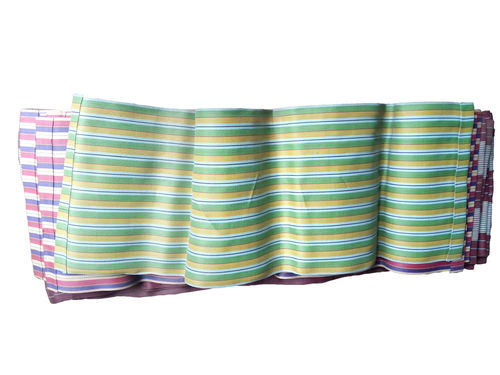
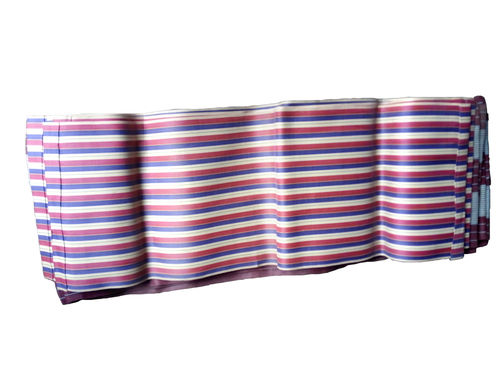
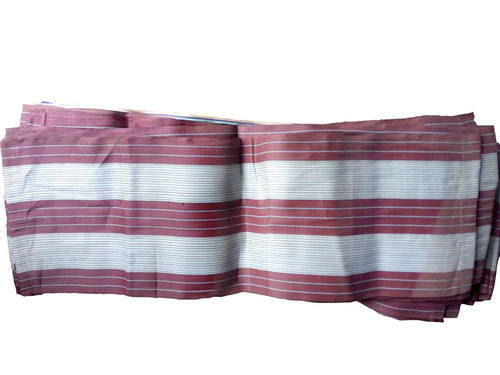
For the past 5 years, we have been serving our respected clients by manufacturing and supplying excellent quality Monofilament Fabric. These are most suitable for making wedding veils and bridal gowns. Apart from that, these fabrics can also be used for making scarves, curtains, gift bags and decorative items. Moreover, this fabric is also utilized for filtering chemicals, pulp of sugar, paper etc. Monofilament Fabric is made available to our valued clients in different dimensions and textures to choose from.
Features:
Versatile Applications in IndustryMonofilament Fabric delivers exceptional versatility, supporting multiple uses from filtration and screen printing to varied industrial processes. Its customizable mesh count and width make it suitable for specific operational demands, ensuring efficiency and precision across applications.
Superior Durability and ResistanceEngineered with superior polyester monofilament yarns, the fabric boasts excellent tensile strength and resists acids, alkalis, moisture, and abrasion. Optional UV resistance further extends its lifespan when used in outdoor or high-exposure environments, emphasizing its reliability.
Customizable to Your NeedsTailored manufacturing allows for adjustments in mesh count, color, length, width, and yarn type based on your specifications. Whether you need unique edge finishes or precise fabric dimensions, our solutions cater to your precise project requirements, delivering both performance and flexibility.
FAQs of Monofilament Fabric:
Q: How is Monofilament Fabric commonly used in different industries?
A: Monofilament Fabric serves diverse roles, such as filtration in chemical plants, screen printing in textiles and graphics, and various applications in industrial manufacturing where its strength and mesh precision are needed.
Q: What makes the fabric suitable for high-temperature applications?
A: This fabric offers heat resistance up to 150C, making it ideal for processes involving elevated temperatures, such as industrial drying, curing, or filtration operations.
Q: When should I consider customizing mesh count or size?
A: Customization of mesh count or fabric size is recommended when your process requires specific particle retention, air permeability, or when equipment dimensions demand special configurations. Our team can tailor these parameters to your exact needs.
Q: Where is the Monofilament Fabric manufactured and supplied from?
A: Our Monofilament Fabric is manufactured, supplied, and traded from India, catering to both domestic and international clients with industry-leading quality standards.
Q: What is the process for ordering customized Monofilament Fabric?
A: To order customized fabric, specify your required mesh count, dimensions, color, edge type, and any special resistance features. Our manufacturing team will then produce and deliver bespoke fabric aligned with your technical and operational requirements.
Q: How does the fabric benefit industrial operations?
A: Its uniform surface, high tensile strength, and excellent resistance to chemicals, moisture, abrasion, and UV exposure ensure longevity and consistent performance. This reduces downtime and replacement costs for industrial users.
Q: What level of air permeability can be expected from the fabric?
A: Air permeability is adjustable based on mesh count and user requirements. Lower mesh counts yield higher air flow, while finer meshes support finer filtration and controlled permeability for precision applications.
 Send Inquiry

 : 09428639086, 09428856093

 Send Inquiry

 Send Inquiry