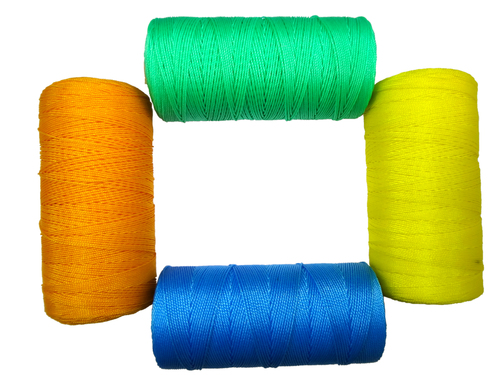
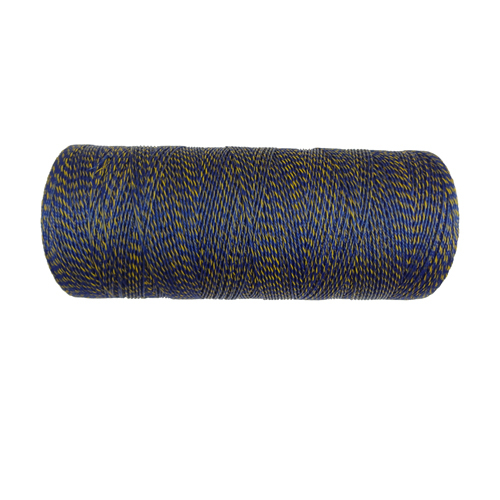
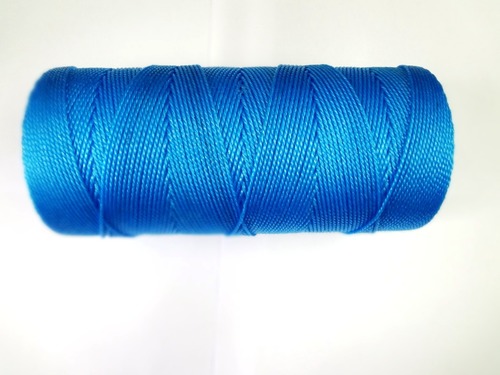
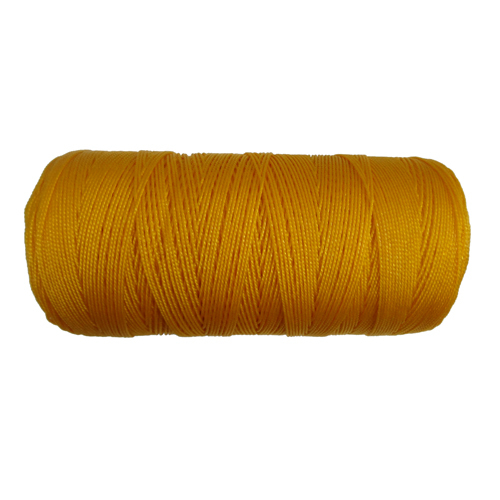
About HDPE Fishing Net Color Twine
Fishing twine also known as fishing line or monofilament is a crucial component in fishing gear Here are some key aspects
Types of Fishing Twine
1 Monofilament A singlestrand line made from materials like nylon or fluorocarbon
2 Braided line A multistrand line made from materials like Spectra or Dyneema
3 Fluorocarbon line A type of monofilament line that is nearly invisible underwater
Characteristics
1 Strength Measured in pounds lb or kilograms kg indicating the lines breaking point
2 Diameter The thickness of the line which affects its visibility and casting distance
3 Sensitivity The lines ability to transmit vibrations and bites to the angler
Applications
1 Freshwater fishing Used for catching fish in lakes rivers and ponds
2 Saltwater fishing Used for catching fish in oceans and seas
3 Recreational fishing Used for sport fishing and leisure activities
Factors to Consider
1 Line strength and diameter Choose a line that matches the target species and fishing conditions
2 Line material Consider factors like abrasion resistance visibility and durability
3 Knot strength Ensure that the knots used to connect the line to lures or hooks are secure and reliable
Would you like more information on fishing twine or fishing gear in general
Multipurpose Utility for Robust ApplicationsThe HDPE Fishing Net Color Twine finds diverse usage across fishing, agriculture, and general industry. Its hardy, double-knotted construction makes it preferable for tasks where dependable mesh strength is essential. Manufactured in India, customers can source it as rope-shaped twine, suitable for both professional and amateur applications needing high durability.
Durable Material for Extended UseMade from high-quality HDPE plastic, this twine exhibits excellent resilience against wear and tear. The fishnet texture ensures reliable performance, making it a preferred choice for demanding environments. The plastic material also resists moisture and mildew, offering long-term usability even under harsh conditions.
FAQs of HDPE Fishing Net Color Twine:
Q: How can HDPE Fishing Net Color Twine be utilized in various settings?
A: HDPE Fishing Net Color Twine is commonly used in fishing, agriculture, packaging, and general utility applications due to its high strength and multipurpose design. Its double-knot structure and fishnet texture make it well-suited for tasks requiring reliable support and durability.
Q: What benefits does the double knot type provide for this twine?
A: The double knot type enhances the overall strength and security of the twine, ensuring it maintains its form and effectiveness under tension. This feature is valuable in fishing and other heavy-duty applications where secure mesh is crucial.
Q: Where is HDPE Fishing Net Color Twine typically manufactured and supplied?
A: This twine is primarily manufactured, supplied, and traded by industry professionals in India. It can be sourced from manufacturers, suppliers, and traders throughout the country who offer customization according to specific project requirements.
Q: What is the process of using HDPE Fishing Net Color Twine?
A: To use the twine, simply cut it to the desired length and shape for your project. Its rope-like, mesh-forming capabilities allow for easy tying, securing, or weaving in fishing nets and other applications needing strong plastic twine.
Q: Is there a warranty included with the purchase of this twine?
A: No, the HDPE Fishing Net Color Twine does not come with a formal warranty. Customers should verify the quality and suitability upon receiving their order before application to ensure it meets their requirements.
Q: What advantages does HDPE material offer for twine production?
A: HDPE plastic provides excellent durability, moisture resistance, and flexibility. These characteristics ensure the twine maintains its integrity in wet, outdoor conditions and retains strength over time, making it ideal for demanding environments.
 Send Inquiry

 : 09428639086, 09428856093

 Send Inquiry

 Send Inquiry